

Your Ultimate Guide to VIN Plate Inspection

Overview
Learn how to inspect your Vehicle Identification Number (VIN) plate to verify your vehicle's authenticity and prevent issues like theft. This guide covers the importance of the VIN plate, how to locate it, a step-by-step inspection process, and what to do if discrepancies arise. Regular checks are essential for maintaining your vehicle's identity and safety.
Table of Contents
- Understanding the Importance of the VIN Plate
- What Information Does the VIN Plate Contain?
- Locating the VIN Plate
- Step-by-Step Guide to Inspecting Your VIN Plate
- Step 1: Gather Necessary Tools
- Step 2: Clean the Area
- Step 3: Examine the VIN Plate
- Step 4: Validate Against Documentation
- What to Do if You Spot Discrepancies?
- Regular Maintenance and Inspections
- Wrapping It All Up - Stay Informed, Stay Safe
Key Takeaways
- VIN Importance: The Vehicle Identification Number (VIN) plate is essential for verifying your vehicle’s identity and authenticity.
- Information Contained: VIN plates contain a unique 17-character code providing details about the manufacturer, model, and year of manufacture.
- Common Locations: VIN plates can typically be found on the dashboard, driver’s side door frame, under the hood, or on the chassis.
- Inspection Steps: Clean the VIN area, check for clarity, signs of tampering, and validate against vehicle documents.
- Discrepancy Actions: If discrepancies are found, consult a professional or report to law enforcement if theft is suspected.
- Regular Checks: Incorporate VIN inspections into your annual vehicle maintenance routine to ensure ongoing authenticity.
- Stay Informed: Utilize online resources to check for recalls and maintain awareness of your vehicle’s history.
Your Vehicle Identification Number (VIN) plate is a crucial element of your vehicle's identity, providing vital information about it. The VIN plate acts as an identification label for vehicles, offering insights into the make, model, year of manufacture, and much more. In this extensive guide, we will walk you through the process of inspecting your VIN plate step-by-step, ensuring that you can authenticate your vehicle effectively.
Understanding the Importance of the VIN Plate
The VIN plate serves as an identification label for vehicles and holds a wealth of important information. Knowing how to inspect your VIN plate correctly can help you verify the authenticity of your vehicle, ensure that it is not stolen, and ascertain that it matches the details on your vehicle registration documents. Moreover, the VIN can inform you about any recalls that may affect your vehicle.
What Information Does the VIN Plate Contain?
The VIN plate typically contains a 17-character code that is unique to every vehicle. Here’s what you can find on your VIN plate:
- World Manufacturer Identifier (WMI): The first three characters indicate the manufacturer and the country of origin.
- Vehicle Descriptor Section (VDS): Characters four to nine define the vehicle type, model, and classification.
- Vehicle Identifier Section (VIS): The last eight characters signify the unique serial number for your vehicle, including the year and factory of manufacture.
Locating the VIN Plate
To inspect your VIN plate, you first need to find it. The location of the VIN plate may vary based on the vehicle type and manufacturer. Here are common places you should check:
- Dashboard: Look through the windshield on the driver’s side near the base of the dashboard.
- Driver’s Side Door Frame: Open the driver’s door and check near the hinge area on the door frame.
- Under the Hood: VIN plates are often placed on the engine block, strut towers, or vehicle body.
- On the Chassis: Check the frame of the vehicle, often on the left side or under the front fenders.
Step-by-Step Guide to Inspecting Your VIN Plate
Step 1: Gather Necessary Tools
Before you begin inspecting your VIN plate, make sure you have the following tools handy:
- Flashlight: Useful for illuminating dark areas, especially if you're inspecting under the hood or inside door frames.
- Tape Measure: This may be used to check the positioning if required.
- Notepad: To jot down details or discrepancies you observe.
Step 2: Clean the Area
If the VIN plate is dirty or obscured by dust, grime, or rust, take a moment to clean the area. Use a cloth or a soft brush to remove dirt, ensuring that the characters on the VIN are clearly visible. This is essential as you will want to inspect them accurately.
Step 3: Examine the VIN Plate
Now that you've located and cleaned the VIN plate, it's time for a closer look. Here’s what to examine:
- Check for Clarity: Ensure that all the characters are readable. If any seem altered or unclear, take time to interpret them carefully.
- Look for Signs of Tampering: Signs of tampering can include scratches, unusual markings, or signs that the plate may have been removed and reattached.
- Material Quality: VIN plates are usually metal or high-quality plastic. If yours feels unusually lightweight or flimsy, it may be a red flag.
Step 4: Validate Against Documentation
Your next step should be to validate the VIN with your vehicle documentation. Here’s how:
- Check Your Registration: Compare the VIN on the plate to what’s printed on your vehicle registration documents.
- Verify with Insurance: Your insurance policy should also have the VIN listed. Cross-reference for accuracy.
- Use Online Resources: Websites offering VIN checks can provide additional information about your vehicle's history and authenticity.
What to Do if You Spot Discrepancies?
If you notice discrepancies between the VIN plate and your documents, do not ignore them. Here are steps you can take:
- Consult a Professional: If you suspect your vehicle is not authentic, consult with a professional mechanic or a law enforcement authority.
- Report Suspicious Findings: If it appears your vehicle might be stolen, report it immediately to the police.
- Check for Recalls: Utilize the correct VIN to check if any recalls impact your make and model.
Regular Maintenance and Inspections
Inspecting your VIN plate should not be a one-time task. Make it part of your regular vehicle maintenance routine. Here are some additional tips for keeping track of your vehicle’s identity:
- Annual Inspections: Make it a habit to check your VIN once a year during routine maintenance.
- Ownership Changes: Whenever you buy or sell a vehicle, perform a VIN check to authenticate it.
- In case of Accidents: Following an accident, ensure that the VIN plate has not been damaged or tampered with.
Wrapping It All Up - Stay Informed, Stay Safe
Knowing how to inspect your VIN plate effectively is crucial for ensuring your vehicle's authenticity and safety. Remember, the VIN plate acts as an official identification label for vehicles, and being vigilant can save you from future headaches. By following this step-by-step guide, you empower yourself with knowledge and the ability to protect your investment. Regular inspections can lead not only to better vehicle maintenance but also to an overall safer driving experience. So gather those tools, get inspecting, and drive with confidence!
Frequently Asked Questions
1. What is a Vehicle Identification Number (VIN) plate?
2. Why is it important to inspect the VIN plate?
3. What information can be found on a VIN plate?
4. Where can I locate the VIN plate on my vehicle?
5. What should I do if I find discrepancies on the VIN plate?
Glossary
| Term | Meaning |
|---|---|
| VIN | Vehicle Identification Number: A unique 17-character code for each vehicle. |
| WMI | World Manufacturer Identifier: The first three characters of the VIN indicating the manufacturer. |
| VDS | Vehicle Descriptor Section: Characters four to nine defining vehicle type and model. |
| VIS | Vehicle Identifier Section: The last eight characters of the VIN, including the serial number. |
| Inspection | Process of examining the VIN plate for authenticity and clarity. |
| Documentation | Official papers like registration and insurance that include the VIN. |
| Tampering | Signs that the VIN plate has been altered or removed. |
| Recalls | Manufacturer notices regarding safety issues related to specific vehicles. |
| Maintenance | Regular checks and upkeep of the vehicle, including VIN inspections. |
Linked Product
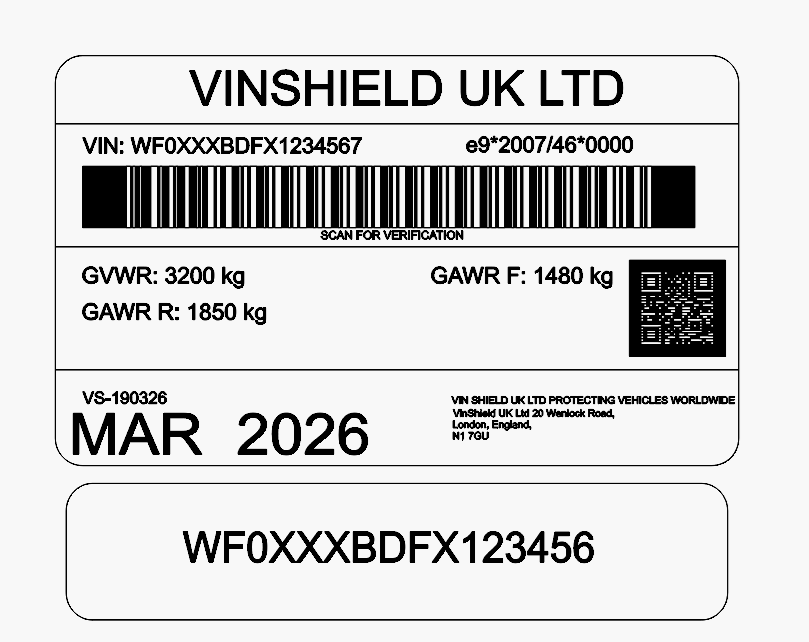
Replacement VIN Sticker & Vehicle Identification Label (All Vehicles)
The Replacement VIN Sticker & Vehicle Identification Label provides a clean and professional solution for restoring your vehicle's identification labels. Suitable for various vehicles, including cars, vans, and trailers, it addresses issues such as missing, damaged, or faded VIN stickers. Each label is custom-made using your vehicle's information, ensuring clarity and durability for long-term use.
View Product